
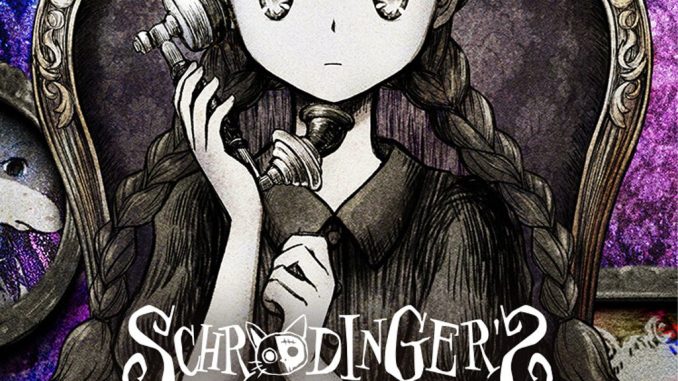
There’s a phone on a table, and a girl called Mary who doesn’t know who she is. It rings. She picks it up. And so begins one of the strangest, most quietly devastating yet wonderful things I’ve played all year.
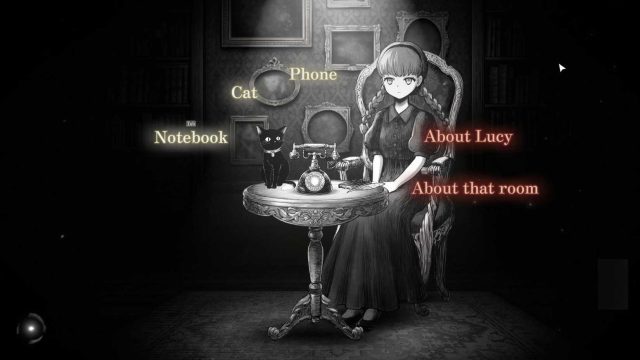
Schrödinger’s Call comes from Japanese studio Acrobatic Chirimenjako, and it sets out its stall almost immediately: the moon is about to crash into Earth, and in the 21 nanoseconds before everything ends, Mary becomes humanity’s last confidant. Guided by a cat called Hamlet (let’s face it, more cats should be guiding lost souls through the apocalypse), she answers calls from spirits stuck between life and death, each carrying some unresolved grievance they can’t quite let go of. Your job is to listen. Properly listen.
That opening hour is rough in the best possible way. You’re thrown in with no real idea what you’re doing, fumbling through your first calls and watching people slip away because you didn’t say the right thing, didn’t ask the right question, didn’t notice the detail that mattered. It feels less like a tutorial and more like genuine failure, and that’s exactly the point. By the time you start understanding the rhythm of it, you’ve already felt the cost of getting it wrong, and that makes you want to get it right for everyone who calls after. It’s a clever bit of design dressed up as despair.
The notebook becomes your best friend here, scribbling down names, dates, throwaway comments that turn out to matter three calls later. Conversations overlap and double back on themselves, and there were several points where I genuinely couldn’t tell if I was talking to a spirit or just Mary’s own fractured memory talking back to her. That ambiguity is doing a lot of heavy lifting and it works. If there’s a phrase for what this is, it’s probably a grief-counselling-em-up (it’ll catch on), and I mean that with total sincerity. Every call is somebody’s unfinished business, and the writing trusts you to sit with that rather than rushing you towards a tidy resolution.
The music deserves its own paragraph, frankly. It shifts from unsettling, almost glitchy tones during the more uncomfortable conversations to something genuinely soothing once a soul finds peace, and it does more emotional work than half the dialogue. I’ve had bits of it stuck in my head for days. Do yourself a favour and play this one with headphones on. Through speakers it’s good, through headphones it’s a completely different experience, every glitch and soft piano note suddenly sat right inside my head where it belonged.
It’s not flawless. Quit out at any point and you get a “you will lose unsaved progress” warning with zero indication of how much progress that actually is. Five minutes? Forty? No idea, and that uncertainty sat awkwardly against a game that’s otherwise so careful about how it treats your time and attention. A simple “your game was last saved 3 minutes ago” would’ve sorted it.
But that’s about the only real complaint I’ve got. The pacing dips occasionally when flashbacks repeat themselves, and this is absolutely not a game for anyone wanting mechanics, action or a quick fix. But if you’re willing to slow down and actually listen to what these lost souls have to say, Schrödinger’s Call rewards you with something that’s stuck with me more than most games manage in twenty times the runtime.
It’s not for everyone. It might be exactly what you need.
Reviewed on PC

Leave a Reply